

The legal framework for regulating chemicals in the EU is Regulation (EC) No 1907/2006 of the European Parliament and of the Council of 18 December 2006 concerning the Registration, Evaluation, Authorisation and Restriction of Chemicals (REACH). REACH came into force on 1 June 2007.
REACH requires registration of chemical substances that are manufactured or imported into the EU in quantities of 1 Tonnes per Annum (TPA) or more, unless the substance is exempted from the scope of registration. This applies to substances on their own, in mixtures, or in articles when the chemicals are intended to be released under normal or reasonably foreseeable conditions of use of the article. Registered substances can in principle circulate freely on the internal market.
European REACH regulation is currently in the Evaluation Phase and substances and dossiers are being evaluated. The evaluation phase, within which your substance of interest may be, can be checked in the following tab “Check the Regulatory Status of the Registered Substances (evaluation phases)”. Further you can find updates on other EU regulations such as EU-Cosmetic, Poison Centre Notification (PCN) (with deadline to notify on or before 31st Dec. 2020), and SCIP database notification for articles containing SVHC to have notification requirements (5th Jan 2021).
News
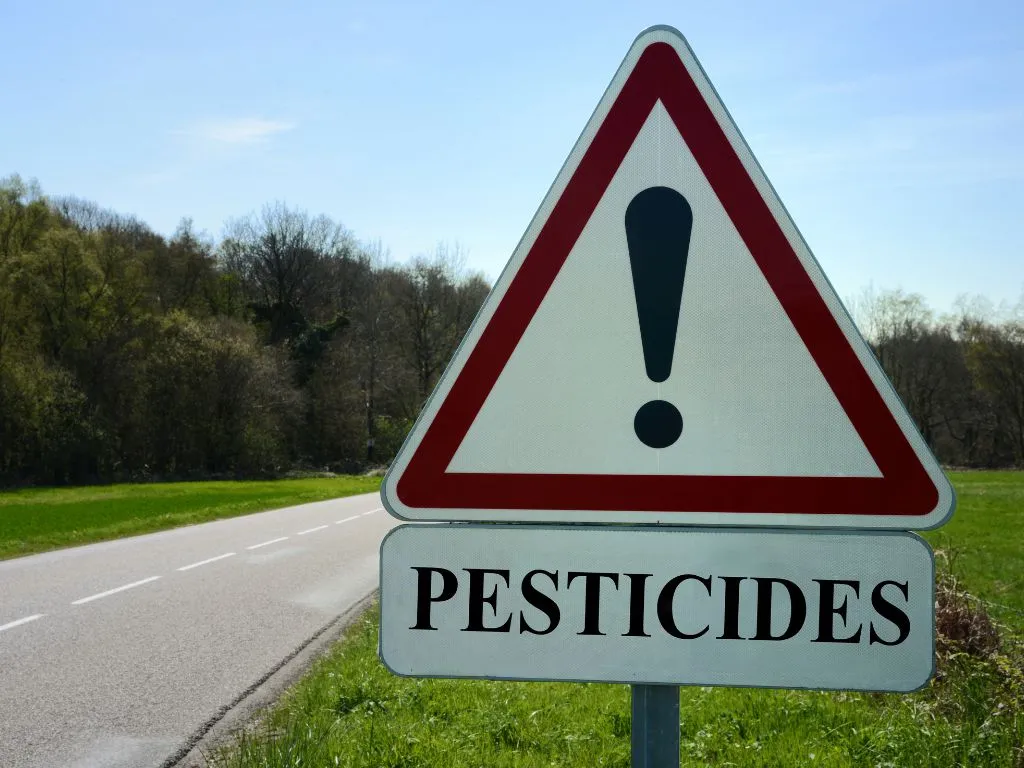
The Lithuanian State Crop Production Service, part of the Ministry of Agriculture, has issued a strict warning to buckwheat producers that the use of glyphosate-containing herbicides on buckwheat crops before harvest...
Read More
On 23 September 2024, the European Commission adopted a Regulation amending the Test Methods Regulation (Regulation (EC) No 440/2008). The aim of the update is to adapt the test methods to...
Read MoreIf you want to access the GHS report, please Register here in GPC Intelligence Portal click here